Cheaper and greener energy could be coming to Sheffield with one of the UK’s biggest heat networks – if the city council finds a developer to work with.
The council is looking for a development partner to implement one of the country’s first ‘zonal scale’ heat networks.
An online market engagement session was held yesterday (3 March) where anyone interested could find out more.
The council’s Heat Networks Team said that Sheffield had a strong starting position with existing heat networks and are confident that a development partner would be found.
Heat networks supply heat from a central source to consumers, via a network of underground pipes carrying hot water.
They can cover a large area or even an entire city, and avoid the need for individual boilers or electric heaters in every building.
A spokesperson for the team said: “Heat networks provide an efficient way to areas with high heat demand, such as city centres.
“Removing the need for individual boilers and using heat from local low carbon sources they help decarbonise energy systems, improve local air quality and reduce volatile fossil fuel markets.
“The development, construction and operation of heat networks will provide opportunities for jobs and local supply chain.”
Sheffield City Council declared a climate emergency in 2019 and set a Net Zero target by 2030 for its own operations, followed by a 10-Point Plan for Climate Action in 2022.
The UK government is committed to achieving legally binding net zero greenhouse emissions by 2050.
Fourteen potential heat network zones were identified in Sheffield, with smaller heat network zones identified in areas such as Crystal Peaks, Shiregreen, Stannington, Stocksbridge and High Green.
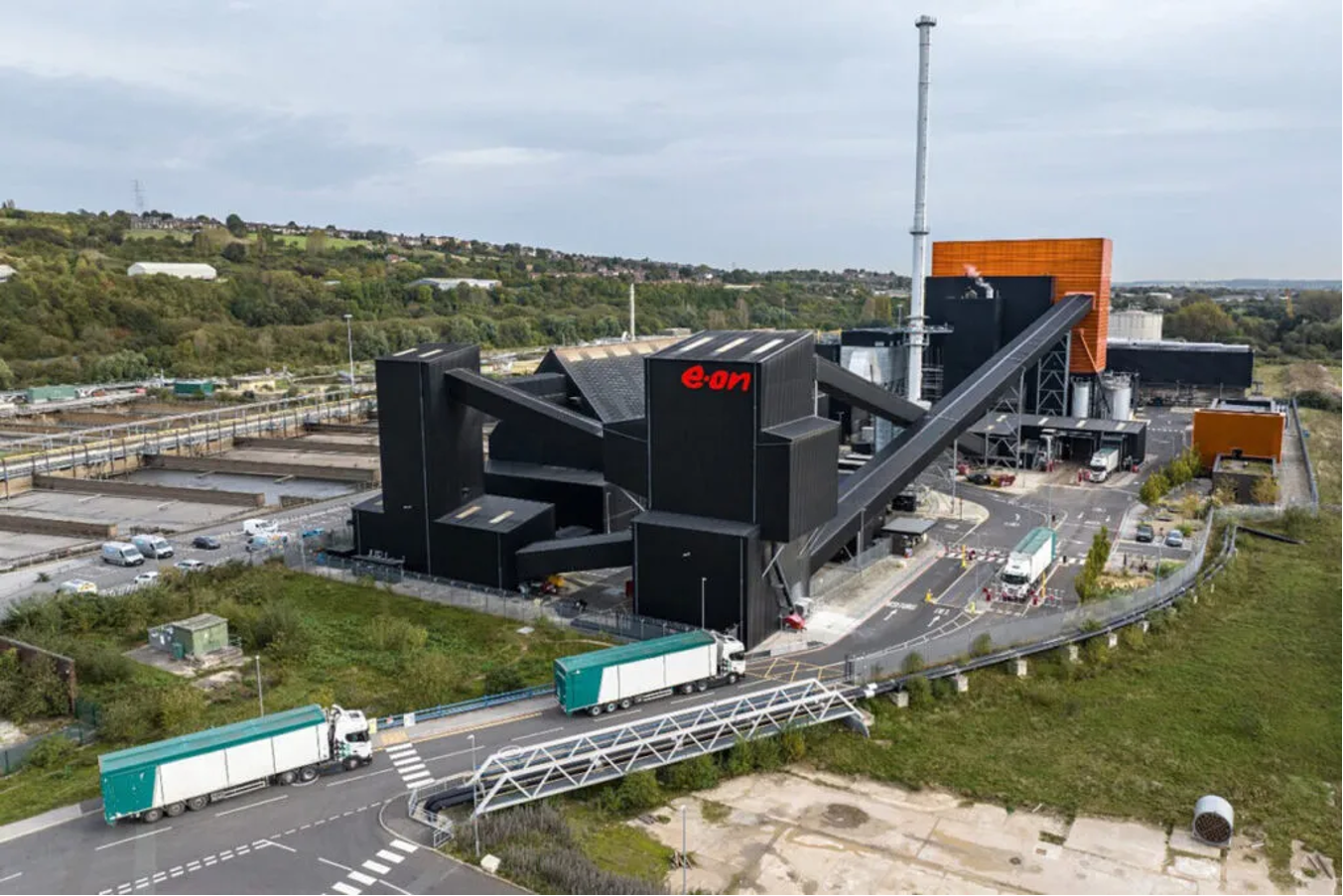
Two significant heat networks already present in the city – Sheffield District Energy Network and Blackburn Meadows – are planning to expand their networks.
There are around 50 district heat networks under development in the UK – with established networks already active around the world, particularly in Scandinavia.
In Denmark, over 61 per cent of customers receive their heat via networks. In the UK this is around two per cent.
Heating in homes and industries produces a third of the UK’s total greenhouse gas emissions. More efficient means of heating buildings is vital if climate change targets are to be met.