

While Sheffield has been equipped with 40,000 new drinks toppers, students on West Street say the city’s latest anti-spiking initiative doesn’t go far enough.
On 18 March, the Sheffield Business Improvement District – BID – project provided 40,000 drinks toppers and 15,000 anti-spiking bottle toppers to over 50 licensed premises across Sheffield.
In a joint statement, Sheffield City Council, Sheffield BID and the South Yorkshire Violence Reduction Unit said: “Keeping people safe on nights out remains a team effort. The work that licensed venues across the city do to contribute to this is highly valued.”
They added: “We are very appreciative of venues which have proactively stepped up their security efforts with strong measures to stop spiking; with increased searches at the door, extra training for staff, safe spaces for people in distress and much more, including making purchases of their own stocks of anti-spiking devices.”
Sheffield is a major student city, and whilst deemed ‘safer’ than others, spiking is still a prominent issue, particularly in areas such as West Street.
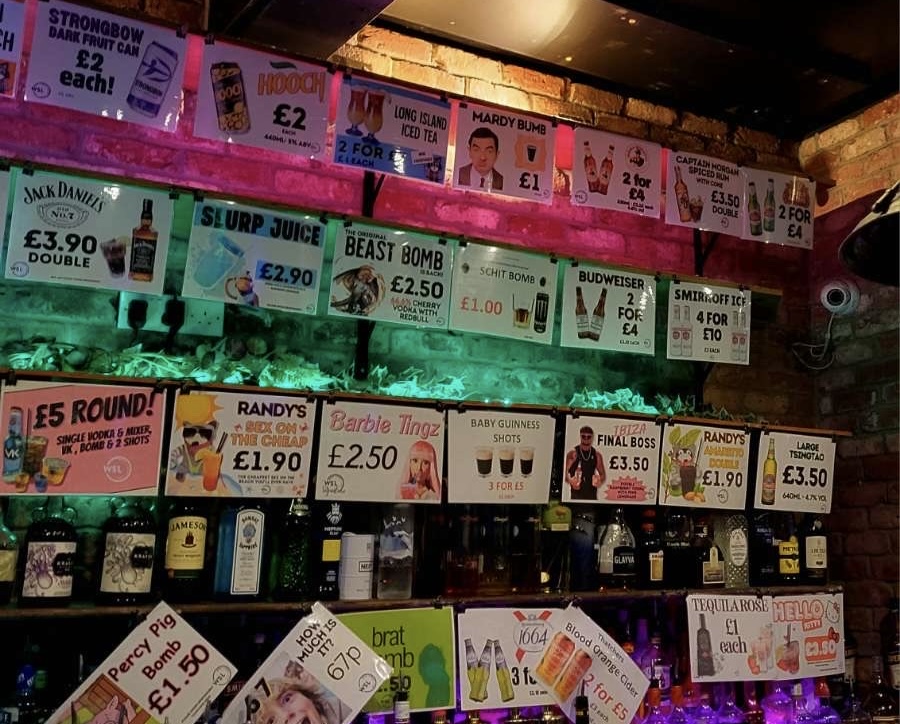
Many students are unhappy with the levels of security on a night out.
Madeline Marsh, 18, student at the University of Sheffield, said: “I think that organisations in the city could do so much more to protect students on a night out. Most places don’t search people or even check bags, which leaves people feeling unsafe.”
New data has revealed that nearly one million UK adults experienced drink spiking in the past year.
The research also found that just under a quarter ,23%, of those who believe they’ve been spiked reported the incident to the police.
Spiking can affect not only one’s physical, but mental wellbeing. Many students are left feeling confused and isolated.
Ethan Wiltshire, 19, victim of drink spiking, said: “I felt like I had no control over anything and like my memory was wiped. I only have a few pictures in my head from that night.”
The hashtag #spikeaware has been introduced to provide support for victims of drink spiking.
Students are encouraged to use tools such as the TASA Anti-Spiking App to log incidents anonymously, or the WalkSafe+ app.