In an era where digital algorithms dictate what we see, and creators are forced to compromise quality for engagement, one Sheffield-based innovator is pushing back.
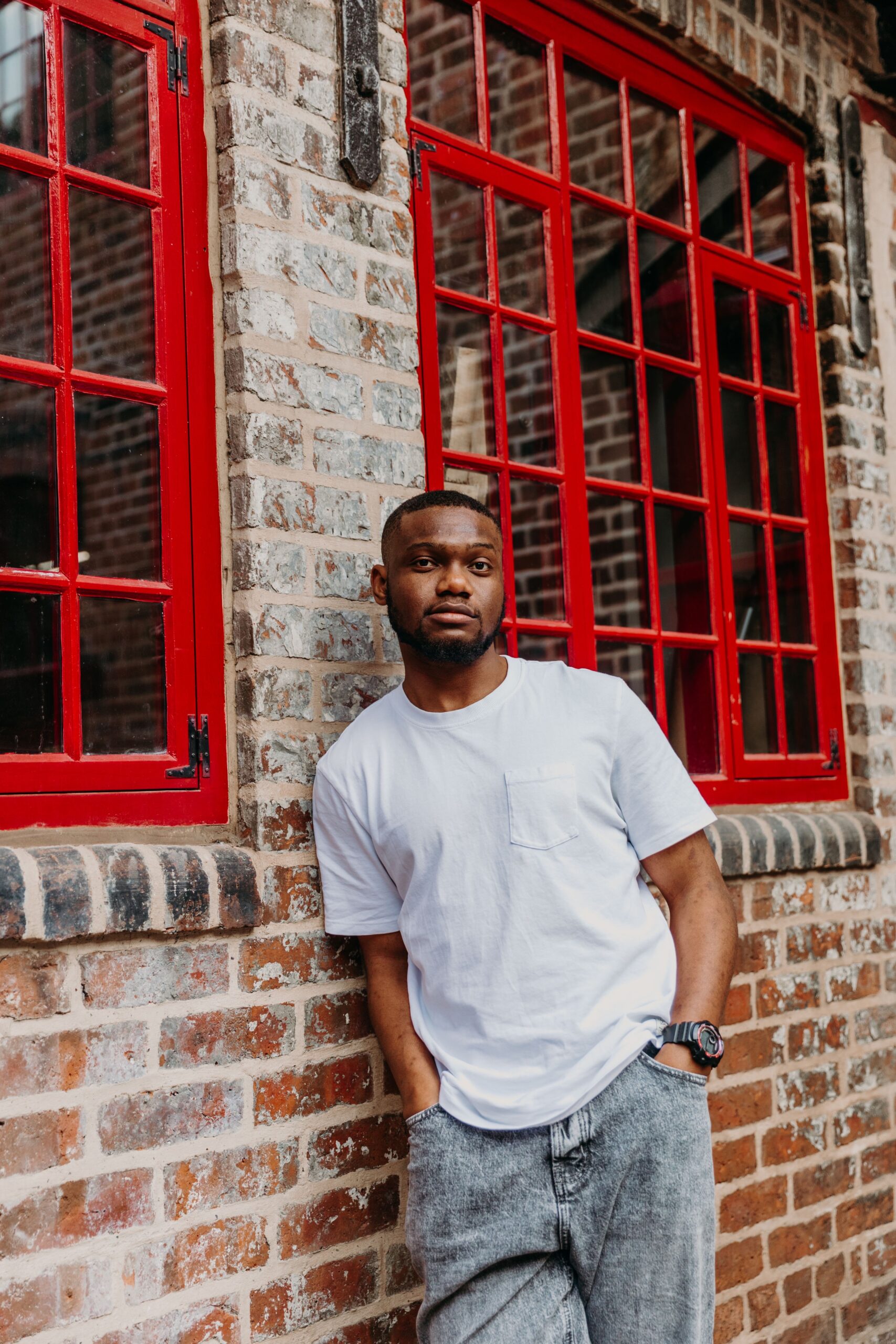
Levi Obumneme Udeh , a software engineer by trade, has launched StrymHub, a production and streaming platform designed to give independent creators a home that values substance over “vibe.”
Born from Levi’s involvement with the Soapbox Collective—the Sheffield branch of the Stand and Be Counted Theatre (SBC)—StrymHub was created to fill a glaring gap in the creative industry. He said: “I saw first-hand just how much talent was in that room. People with stories to tell… but nowhere to put them.”
StrymHub isn’t just another streaming service; it’s a direct response to the “fragmented industry” where social media chews up quality work and big streaming platforms ignore anyone without a pre-existing following.
Levi describes the platform’s niche as the space for work that is “too good for a feed and too small for a deal.”
Despite being a one-person operation on paper—with Levi handling everything from coding to marketing—the project thrives on a culture of collaboration.
Levi, who admits to having “zero formal experience” in videography or cinema, relies on a network of local theatre groups and filmmakers to produce original content.
This transparency is intentional. The platform’s culture is built on curiosity and a willingness to “figure it out as you go.”
StrymHub is currently free to use, with around 100 engaged users and a mobile app on the horizon. While many tech founders rush to build infrastructure first, Levi warns against this “trap.”
He argues that building a platform before proving the work exists results in a “very nice empty room.”
Instead, StrymHub focuses on the work first, ensuring that when a payment model is eventually introduced, it will be honest—no ads, no data selling, and no sponsored content.
Looking five years ahead, Levi envisions a world where independent creators no longer have to compromise for an algorithm.
Whether it takes five years or fifteen, the goal remains: a global “hub” where quality surfaces naturally and creative communities, like the one found in Sheffield, can finally find their people.