A community initiative dedicated to building spaces where people can connect without pressure, judgment or expectation has been launched in Sheffield.
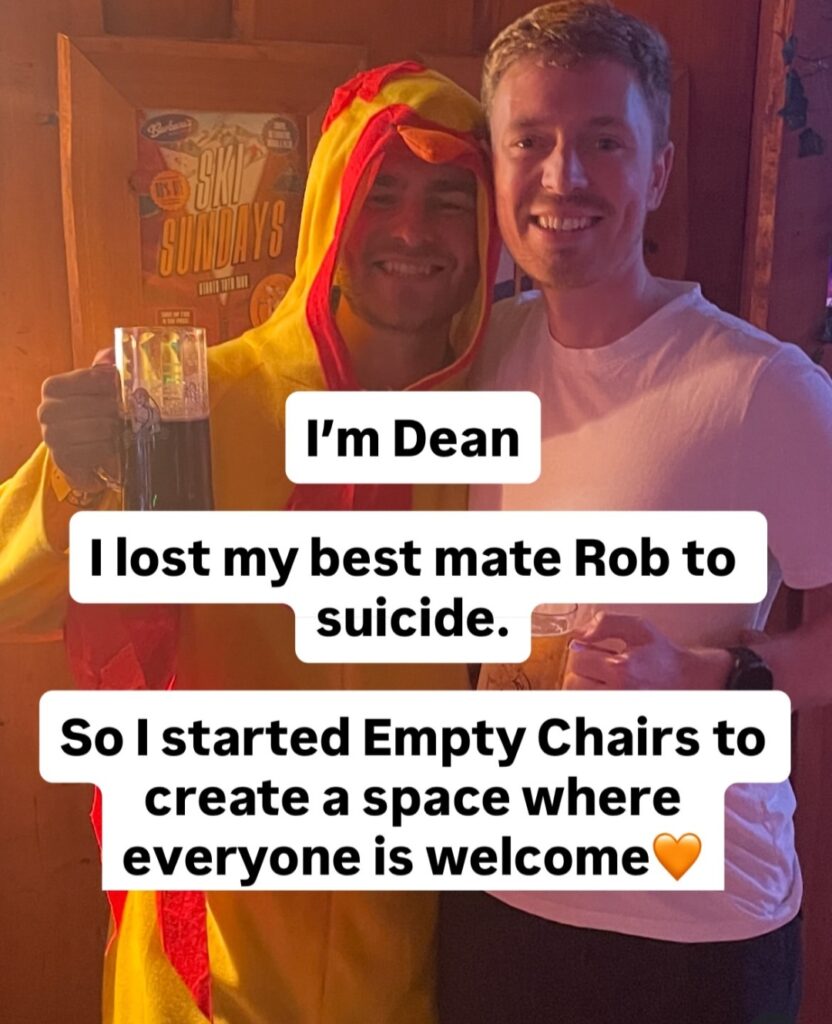
In late 2025, Dean Perryman lost his best mate, Rob. He had struggled with mental health and subsequently took his own life.
It was this devastating loss that inspired Dean to create Empty Chairs, offering a seat at the table of friendship and connection.
“Grief can be isolating – and it can also make you notice how many people are quietly carrying their own struggles alone,” said Dean, speaking online.
Empty Chairs events are simple by design: no big speeches, no awkward icebreakers. Just a seat at a table, a safe space to be yourself, and the opportunity to share or simply listen.
The organisation exists to provide an environment where real human connection can happen, helping to break the silence that so often surrounds grief, mental health struggles, and isolation.
“Connection doesn’t need a perfect plan – it just needs a place to start,” he said.
Dean’s experience isn’t an isolated case. Suicide is currently the main cause of death in young people under the age of 35 in the UK.
In 2023, 1,840 young people under 35 took their own lives, around three-quarters of them boys or young men.
On average, around five young people die by suicide each day. Over 200 teenagers are lost to suicide every year. Research shows that with appropriate early intervention and support, many of these deaths can be prevented.
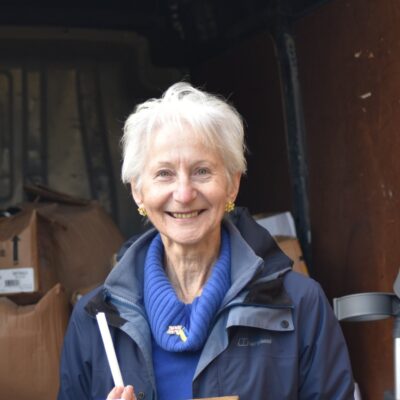
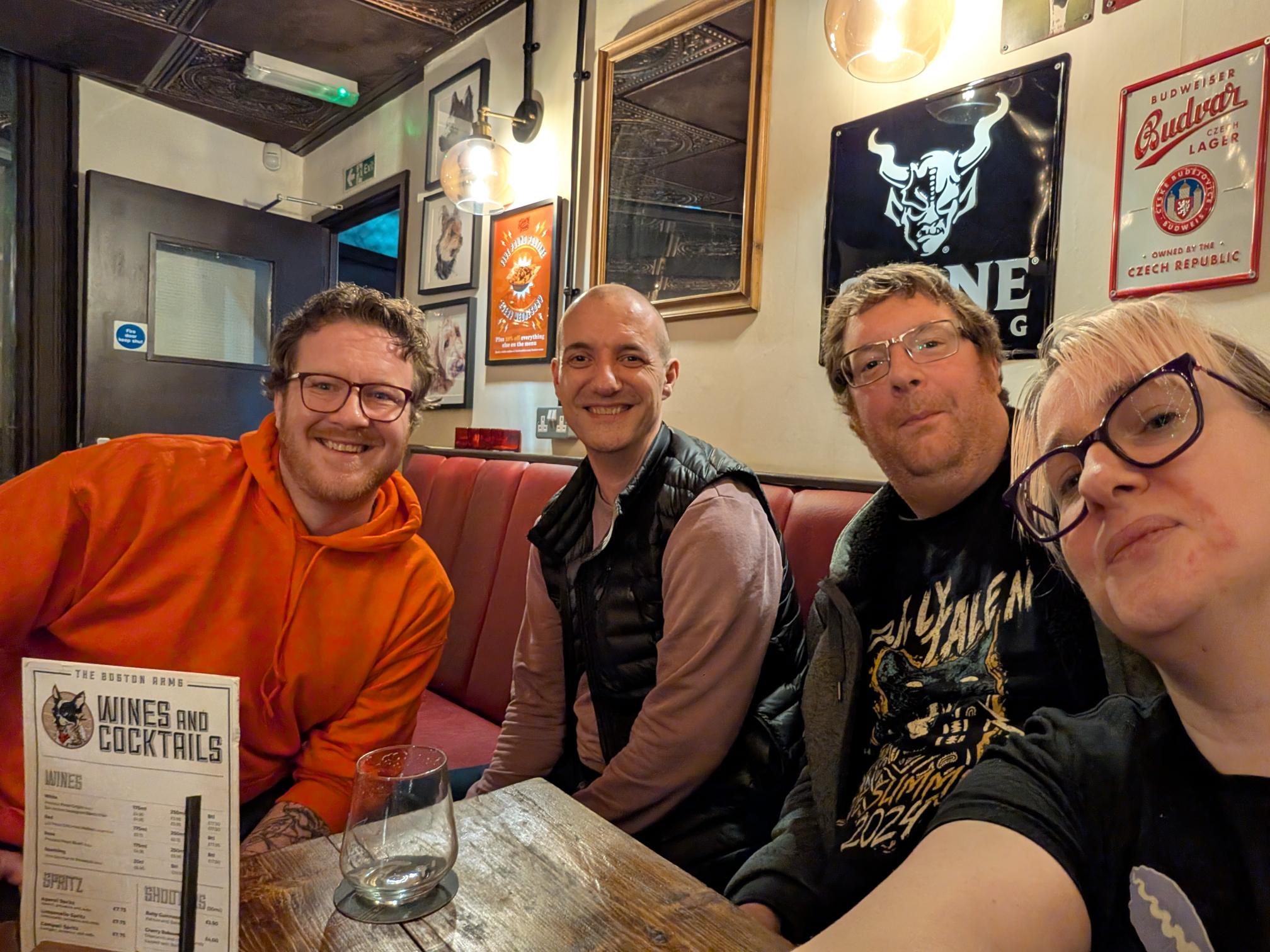
Dan Pemberton’s story in Sheffield echoes these statistics. He was saved by being encouraged to open up about his feelings at a men’s wellness group, Andy’s Man’s Club, and has returned the favour to the people of Sheffield by hosting an Empty Chairs event in Woodseats on Sunday.
Dan said: “Sometimes, opening up to a stranger is easier, because you get a clean slate. When you meet them next time, it’s based on that, not everything else that’s going on in your life.”
Social isolation has been shown to significantly affect mental health, increasing the risk of depression, anxiety, and suicidal thoughts. Programmes like Empty Chairs aim to break this cycle by providing spaces where people can be heard, understood, and supported.
The events are intentionally low-pressure. There are no scripts, no lectures, and no requirement to share more than you feel comfortable with. Attendees may simply sit and listen, or they may find the courage to speak about their own experiences for the first time. Either way, the goal is to foster genuine human connection.
As Empty Chairs grows, the message is clear: grief, pain, and mental health struggles don’t have to be endured alone. Every chair at these events represents a step toward understanding, compassion, and hope.
Dean’s loss sparked a movement, but it’s the people who show up — like Dan, hosts, and attendees alike — who are carrying it forward.
It is hoped that meetings in Woodseats will become a weekly event, but this relies on people stepping up as hosts.
For those interested in attending or hosting an Empty Chairs event, visit https://emptychairs.org.uk/ to find a local gathering or learn how to create a space in your community. The organisation provides guidance for hosts, shares stories of connection, and promotes awareness about mental health, helping to ensure that no one has to face their struggles in silence.
If there’s one takeaway, it’s this: sometimes all it takes is a seat at a table and someone willing to listen to make a difference. By reaching out, attending, or simply being present, you could help change a life — and remind someone they are not alone.