The government has set out plans to reform special educational needs systems currently described as a “complete mess”, making major changes to how and if Education, Health and Care Plans will be used.
EHCPs are legal document outlining the education, health and social care support that is to be provided to a child or young person who has special educational needs (SEN) or a disability.
They are used as a mechanism to access high quality support that mainstream SEN support cannot offer. EHCPs will be retained for children with the most complex needs, and parents may not be able to make EHCP appeals.
This will affect children through all Key Stages. Children in Year 3 and above will retain their EHCP until age 16, whereas children in Year 2 and below will be reassessed.
Individual Support Plans will be used as an alternative for children with SEN in mainstream schools. These will be instead of an EHCP and will be co-signed by parents, to ensure their voice is represented and to establish minimum expectations for home-to-school partnerships.
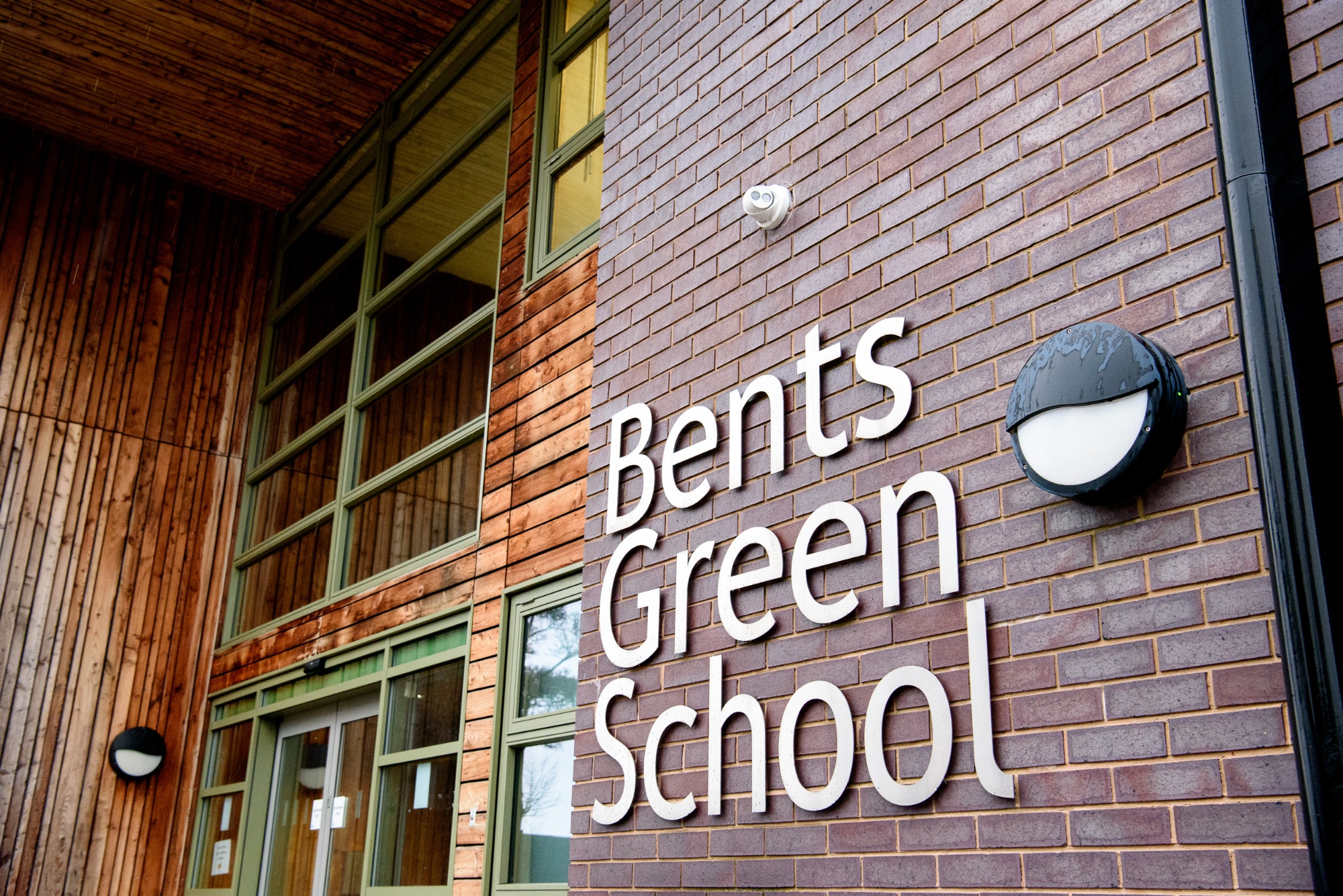
There are a number of specialist schools and hubs in Sheffield such as Talbot Specialist School, Bents Green School, Kenwood Academy, Becton and Silverdale Post-16 Specialist Hub. Mainstream schools that have support in place for their SEN students will also be affected.
Eve Harden, 44, is an assistant headteacher and special education needs co-ordinator, as well as having a 14-year-old who attends a specialist school. In regards to the Individual Support plans, she said: “The system is a complete mess. Unless there is serious investment into bolstering staff numbers, invested into proper training and improving school buildings it doesn’t matter if is EHCP or support plans, it won’t work.”
To help with the transition of more SEN students in mainstream schools there will be a funding reform with £1.6 billion for the Inclusive Mainstream Fund over the next three years and £1.8 billion investment over three years as part of the Experts at Hand offer, according to the Government’s website.
This is in aid of long term solutions, and a move to get S.E.N students into mainstream schools, to close gaps in GCSE grades.
Ms Harden added: “Some of the reform is good. For example some SEN students taking fewer GCSEs which puts less pressure in schools and the children. However, placing the responsibility in the school to manage paperwork, diagnosis and to ensure needs are met is going to be very difficult.”