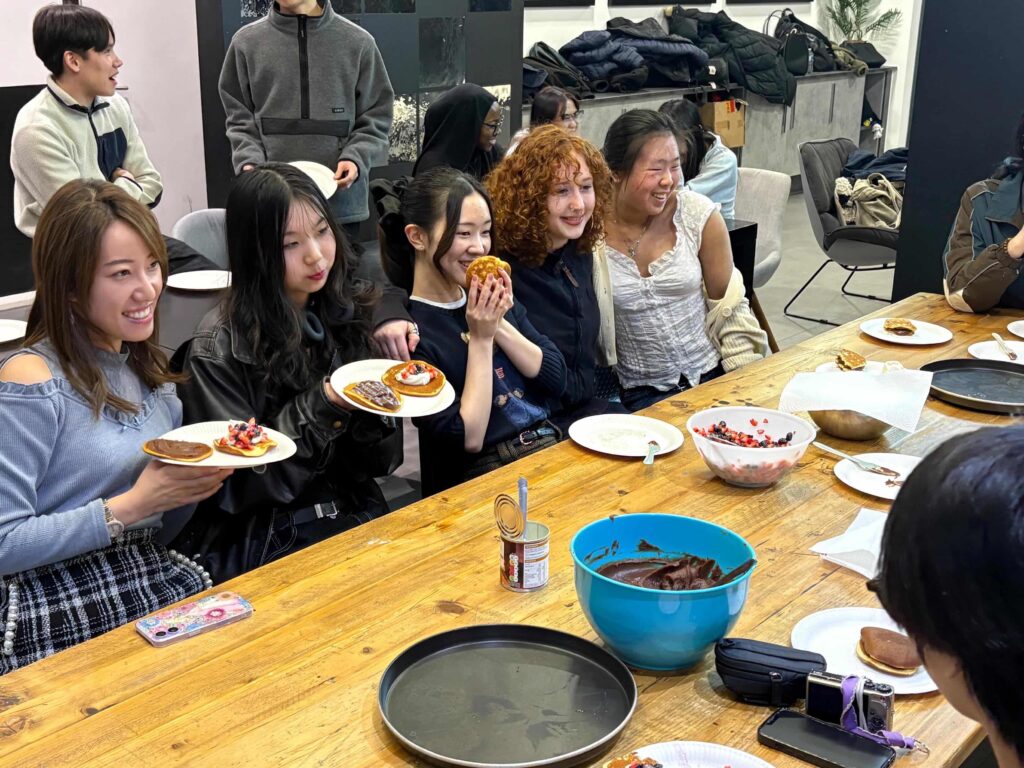
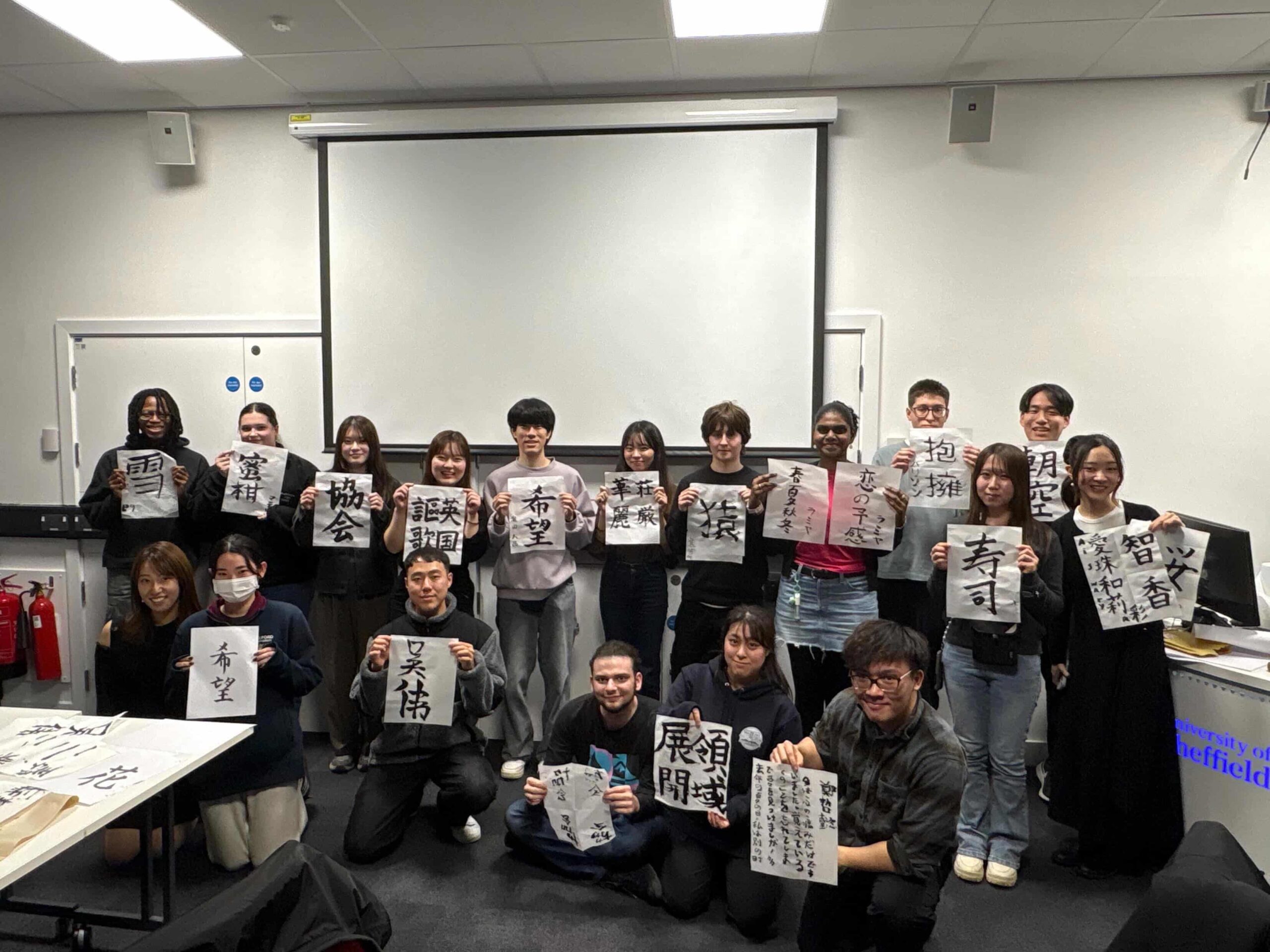
Japan Day summer festival is bringing a taste of Tokyo to Sheffield, as crowds come together at the Octagon Centre on Friday the May 1st to experience the culture through food, live performances and hands-on workshops.
Organised by the University of Sheffield’s Japan Society, this annual event has grown from a small fundraising event into a major cultural celebration open to the general public.
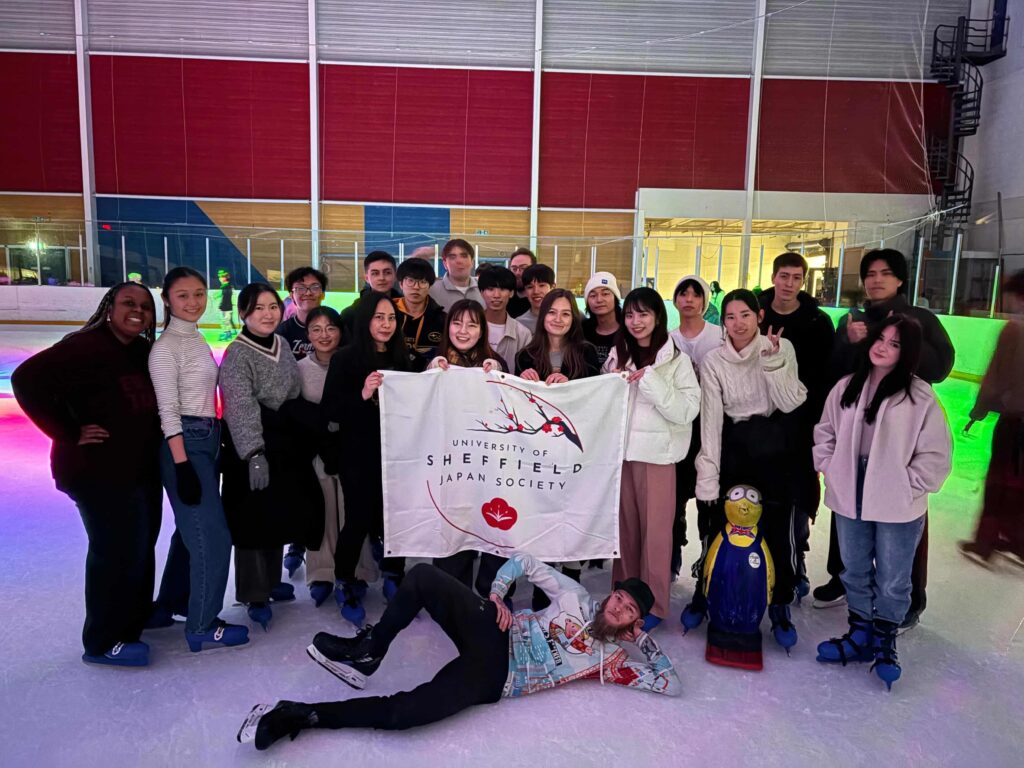
Scott Davies, 26, a full time University of Sheffield student and society president said, “Japan Day started in 2011 following the Tōhoku earthquake. All the proceeds went towards disaster relief but it ended up being very successful… so they started running it annually. We don’t look to make profits… we just try to break even.”
The events open access has allowed it to expand beyond the University, attracting not only students but Sheffield residents and visitors from other cities such as Manchester and Leeds.
Mr Davies said: “It helps to promote Japanese culture, and people end up .learning more through performances or workshops.”
Food plays a central role in this experience, with vendors such as Guyshi, Edo Sushi and Osaka Local offering authentic cuisine. “A lot of Japanese international student miss food from back home,” Mr Davies said, adding that the event aims to offer ‘more or less the real thing’.
Alongside food stalls, the festival features traditional and modern performances, including Taiko drumming, Shamisen music and Judo demonstrations, as well as workshops such as calligraphy, tea ceremonies and Ikebana flower arranging.
Kathryn Steel, 21, a member of Japan society, said: “Events like these can definitely help people to understand culture a little better,” highlighting the importance of authentic experiences and education.
Organisers also emphasise collaboration with other cultural groups, using this event to build connections across Sheffield’s diverse communities. However, ensuring accurate representation can be challenging.
Mr Davies said, “It’s definitely difficult… making sure people are having a good time… as well as keeping the vibe accurate.”
With a committee being made up of Japanese members and those with lived experience of the culture, organisers aim to maintain authenticity.