A husband-and-wife duo celebrated his recovery from a rare disease by hosting their annual charity walk to raise funds for dedicated support services.
By pure coincidence, the fundraiser took place on Rare Disease Day on Saturday.
John Illingworth, of the Yorkshire Bridge Inn in Bamford, was diagnosed with Aplastic Anaemia in 2013 – an exceptionally rare and serious condition where a person’s bone marrow stops producing enough blood cells, affecting only two out of every one million individuals.
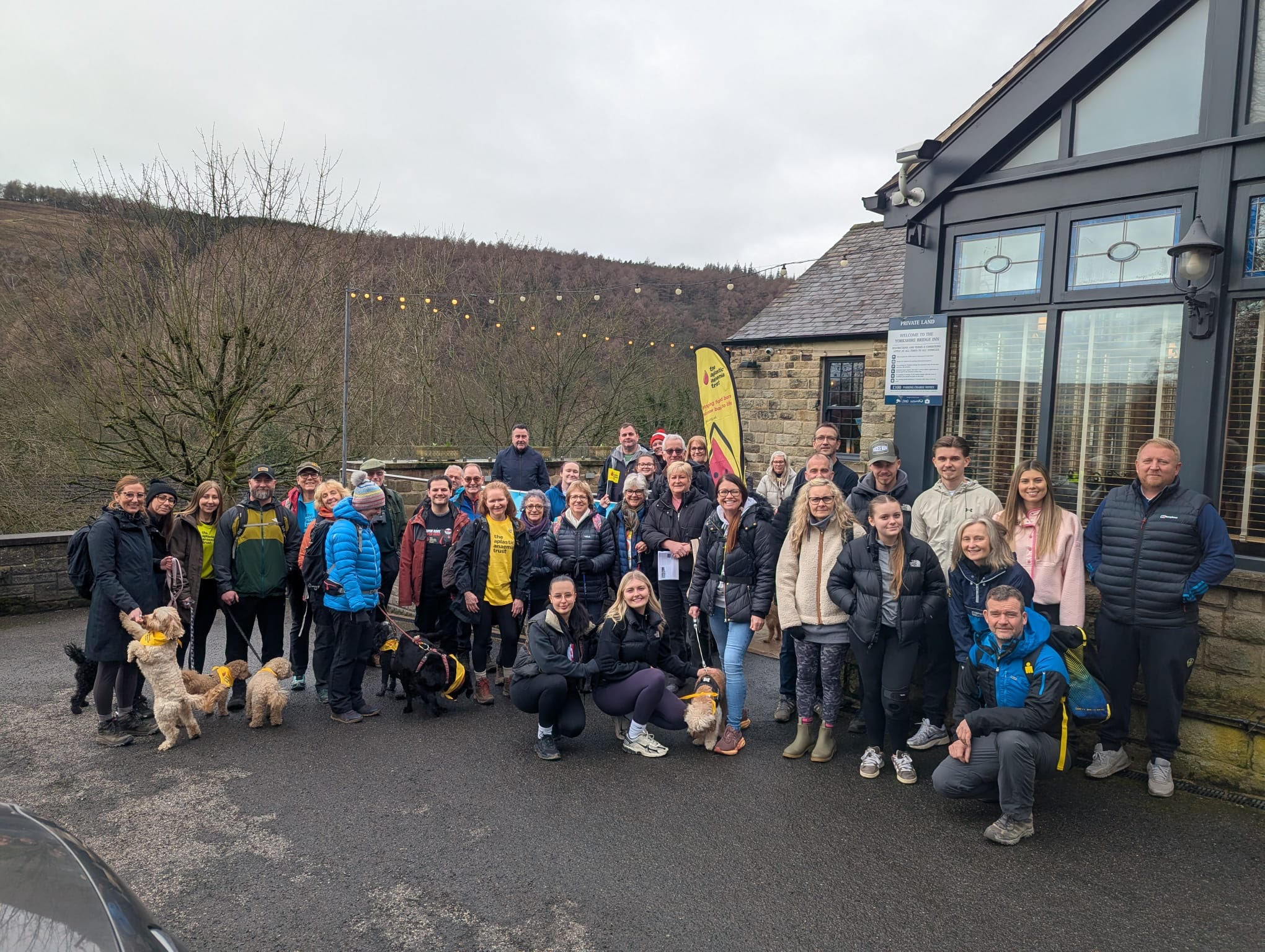
John and his wife Helen organised a walk around the Ladybower Reservoir this Saturday, raising approximately £3000 for The Aplastic Anaemia Trust, similar to what they have raised in previous years.
Helen Illingworth, manager of the Yorkshire Bridge Inn, said: “John actually had his fiftieth birthday in hospital.
“He got diagnosed in 2013 and had some treatment which failed. In 2014, he had a bone marrow transplant which thankfully was successful.
“So he’s classed as cured from the disease. Sadly, that’s not the case with everybody.”
Aplastic anaemia can occur at any age, but is most common among teenagers and seniors. Many people confuse this with an iron deficiency, when in reality the treatment process resembles that of cancer.
Joe Kirwin, CEO of The Aplastic Anaemia Trust, said: “It can be a lonely experience, and every year on the walk there are tears as families connect with each other – and people meet others with the same diagnosis as them, often for the first time.
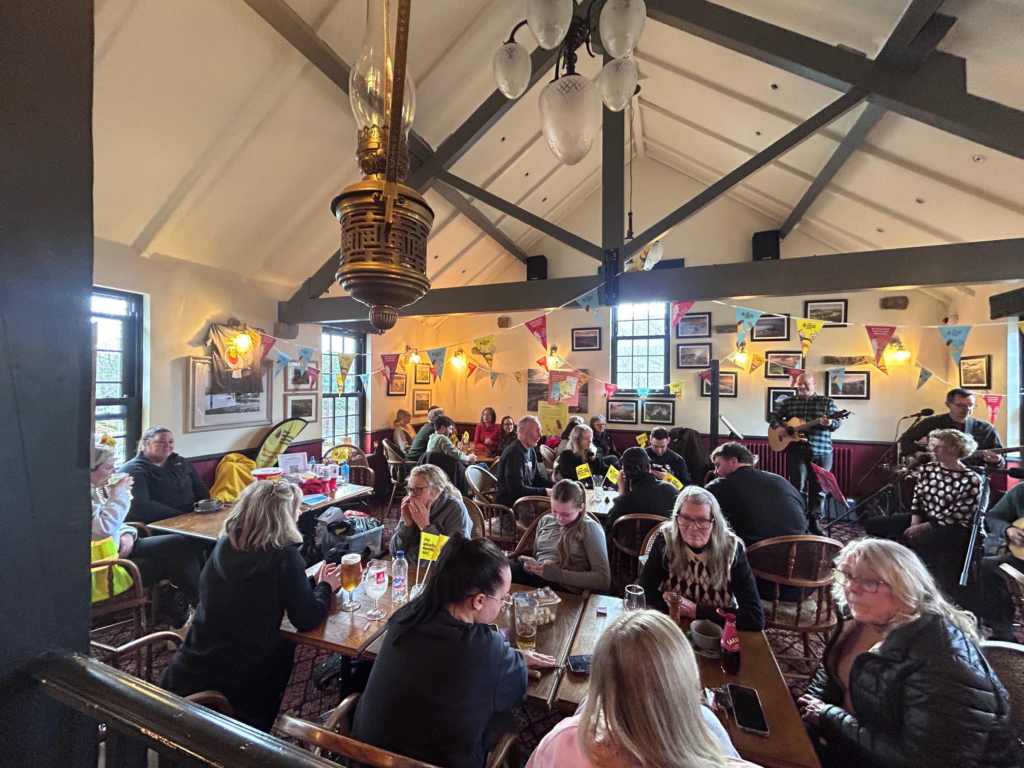
“The Aplastic Anaemia Trust are endlessly grateful to Helen and John for organising the walk each year, and to the Sheffield Peddlers for entertaining us all in the pub afterwards too!”
One of the attendees was celebrating the second anniversary of their bone marrow transplant, which actually coincided with the day of the walk. A member of the AAT charity surprised them with a cake and candles to mark the occasion.
Mrs Illingworth said: “Everybody who has a transplant wants to get to the first year anniversary of their transplant date because if something is likely to go wrong, it’s likely to go wrong in the first year.”
A variety of people gathered to support the cause, including local park rangers and The Sheffield Peddlers, a folk band made up of consultants and medical professionals.
A spokesperson for The Aplastic Anaemia Trust said: “Fundraising from the walk helps us to fund a dedicated support service, publish the only clinical information about aplastic anaemia in the UK, run events to connect patients and families, and fund research into the condition.
“The Aplastic Anaemia Trust is currently funding a clinical trial at Kings Hospital in London (along with LifeArc) which is providing Treg cell therapy to aplastic anaemia patients – a world first, brand new potential treatment.
“That’s the kind of difference we can make.”
If you or someone else has been affected by the disease and is seeking support, motivated to donate, or simply interested, please visit their website: https://www.theaat.org.uk/