Students at the University of Sheffield have voiced frustration after being warned of potential further industrial action across humanities departments next week.
With no advance warning other than an email, even more lectures for History students may be cancelled.
Lexie Hardisty, 19, a first year History student, said: “I understand that it’s their jobs and I obviously don’t want them to lose their jobs. But at the same time it is also affecting my grades and I am paying a lot of money to be here.”
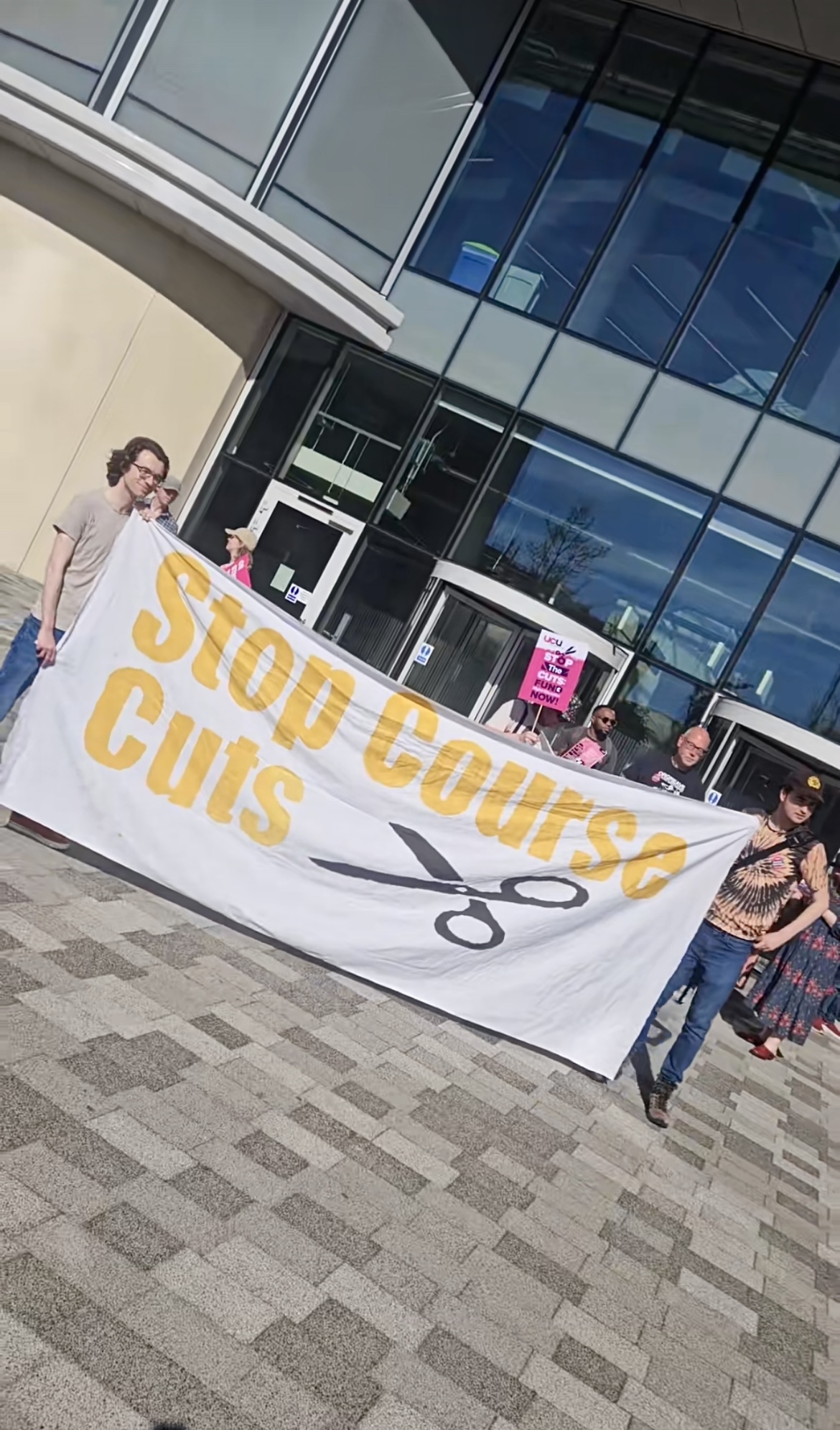
The University and College Union (UCU) initially began strike action back in November in response to cost-cutting measures by university management, which put staff at risk of redundancy.
Deep cuts of £3.9m over two years to the Arts and Humanities staff budget have been proposed, meaning that one in five of staff members are at risk of losing their jobs.
At the time one member of staff, Dr Molly Avery, emailed students to say: “We are number one in History of all Russell Group universities from the NSS survey, and only behind Oxford in how happy our graduates are with their degrees in the Guardian University league tables.
“We have a good thing going here – and are deeply concerned about the long term impact that this austerity regime will have not only on our livelihoods but also on the long term quality of your education.”
Management responded to initial strikes by putting in place a ‘lock out’ – refusing to pay staff even after they had returned to work.
The University has said it is adapting to the “pressures facing the higher education sector” but promised to “do everything we can to minimise any potential impact”.
According to the UCU, more than 500 staff have already lost their jobs at the university through “voluntary severance”.
While staff face significant uncertainty, students say the ongoing disruption is having a serious impact on their studies.
Some were initially told they could claim compensation for missed teaching hours, but several report unsuccessful claims.
Miss Hardisty added: “It was all very ambiguous and we didn’t really know what was going on. We ended up missing about two months of lectures and then we had a full exam on it [the module] which wasn’t very fair.”
The email sent to Miss Hardisty stated that hopefully there will be a “breakthrough in negotiations” next week. However, until then, students continue to face ongoing uncertainty surrounding the futures of their studies.