
Plans have been approved to construct a seven mile heating scheme from Northern General Hospital, through Pitsmoor, Burngreave, Grimesthorpe, the Lower Don Valley, Tinsley, and the Waverley estate.
Roadworks will develop on some of Sheffield’s busiest roads, including the A6102 and A6109 this year, and are predicted to span across five years.
Sheffield City Council’s Policy Committee Decision Report said: “It was estimated that this zonal scale opportunity, once fully built out, could contribute to annual heat decarbonisation,”
“The reference project covers 159 buildings requiring 16km of pipework.”
The pipe plans to transport heat from a biomass energy plant at Blackburn Meadows, acting as an extension to an existing District Heating Network over two miles long.
This project goes towards Sheffield’s attempt to reach net-zero carbon emissions by 2050, and the cost is predicted to be around £9m. It also benefits Sheffield’s Local Area Energy Plan (LAEP) to produce a more affordable and low-carbon energy system.
The LAEP aims to develop building efficiency, increase renewable generation, and broaden district heating.
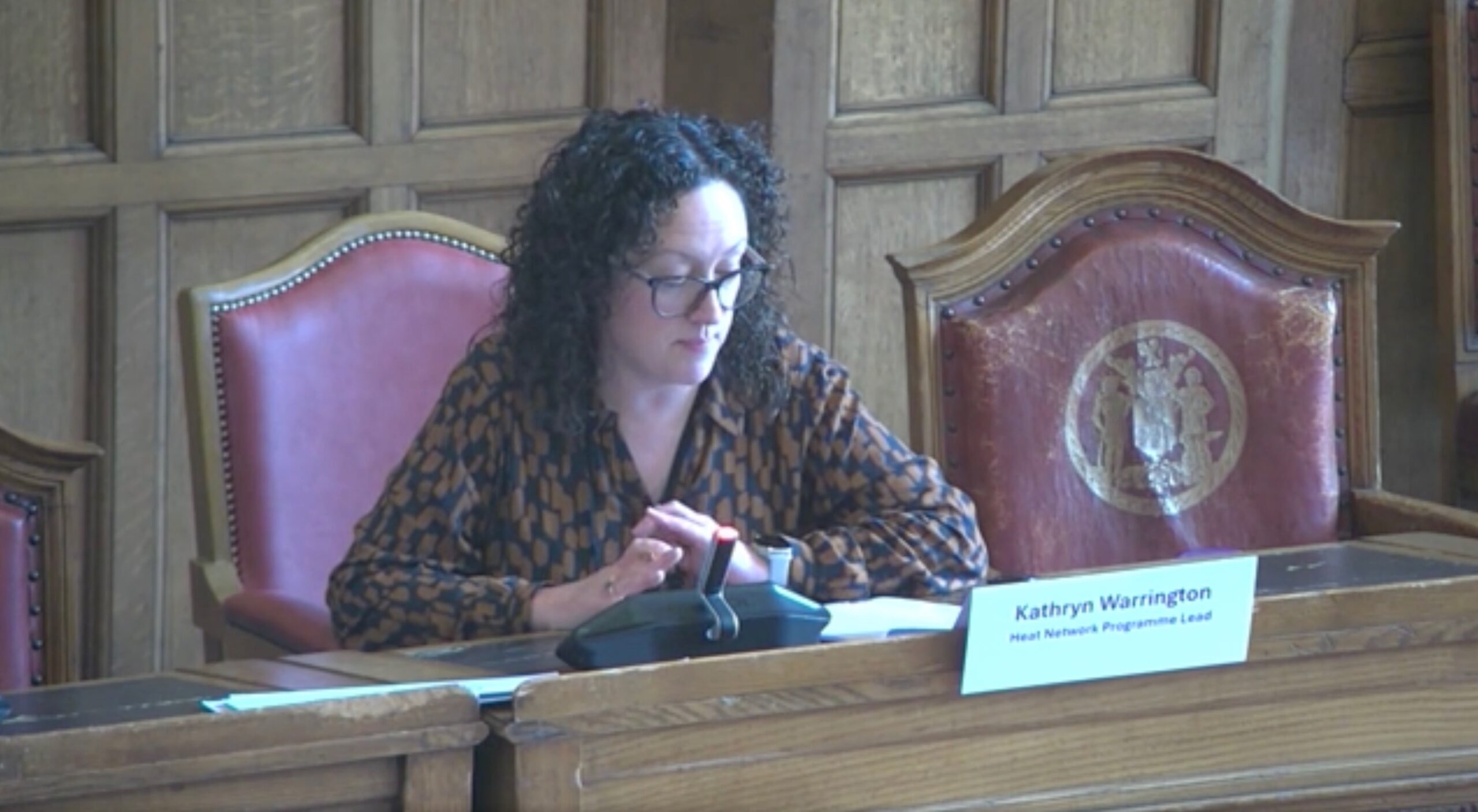
Kathryn Warrington, Heat Network Programme Lead, said buildings required to connect to the heat network include: “Any new buildings that are coming through the planning system once the zone has been designated, any pre-existing buildings, domestic or non-domestic that are already communally heated […] and any large non-domestic estate that consumes a certain amount of heat a year, and that is 100 megawatt-hours per year.”
Sheffield council officials say this project has more significant benefits than harms, with the only major disruption being travel, as well as some environmental loss due to the removal of trees and plant life.
Other green areas that will be affected include Fir Vale and Phillimore School’s playing fields.
According to the Advanced Zoning Programme, the benefits include ‘avoiding the need for individual boilers […] to help decarbonise heating systems’ and reduce air pollution, and ensuring a ‘local, secure heat supply that is not reliant on fossil fuels from volatile markets’.
Construction will begin this year along the northern route, followed by the southern route commencing in early 2027. The ending of this initiative is set for 2030.
For more information, check the Sheffield City Council website.