Sheffield’s video game museum urged the public to share their own gaming memories as it plans a major summer exhibition.
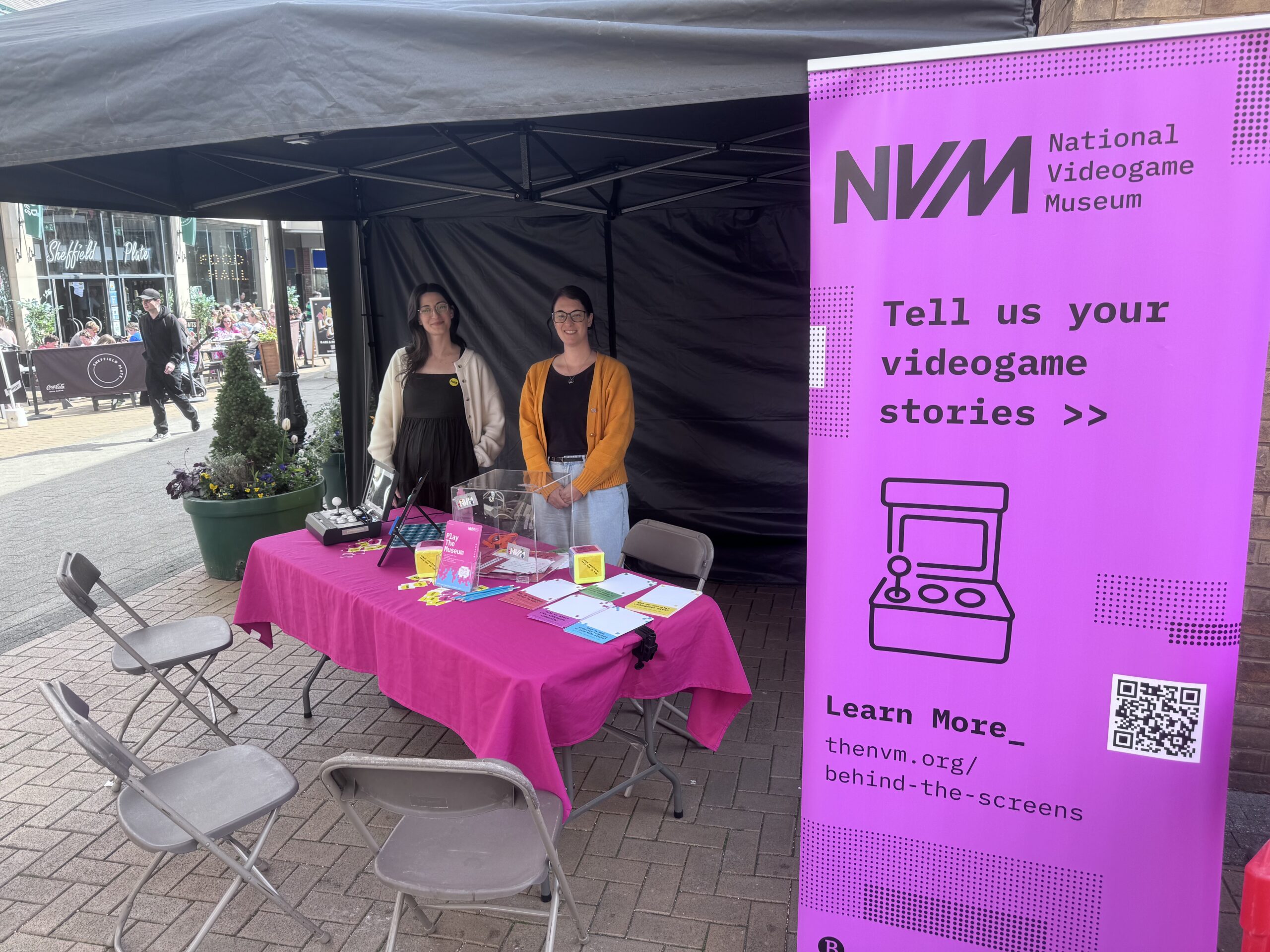
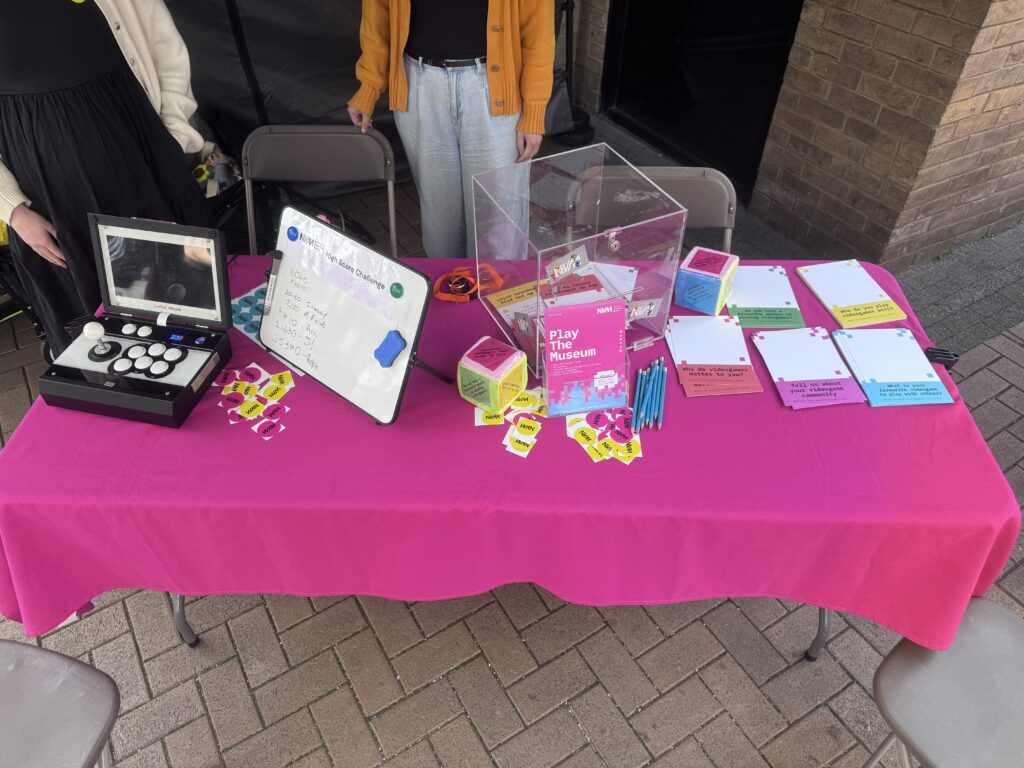
The National Videogame Museum’s curatorial team set up at Orchard Square Market, inviting passers-by to share their own personal stories.
The initiative forms part of a wider effort to reposition Sheffield’s gaming contributions as not merely as a site of production, but as a city shaped by the culture of play.
Leah Dungay, Learning and Community Curator at the museum, described the approach as intentionally participatory: “We’re working on a new exhibition… all about capturing player memories and stories. We’re going to take them away and that’s going to help us shape the new exhibition for the summer.”
What emerged was not nostalgia alone, but an interesting archive of emotional attachment.
“You ask people their favourite memory and they’ve got so many,” Mrs Dungay noted. “They have to sit down… ‘I can’t pick one story, I have to share three.’”
One participant recalled secretly logging on late at night to continue playing World of Warcraft, illustrating how games often structure memory through the ritualisation elements of play.
Mrs Dungay argues that these stories are particularly vital in Sheffield, a city whose gaming legacy remains under-recognised. “Lots of people ask us why a video game museum is in Sheffield,” she said.
“But actually that history has been here since early PC gaming days.”
From Gremlin Graphics to Sumo Digital, and titles such as Gang Beasts, Sheffield has sustained a continuous, yet frequently overlooked, development line.
This local framing also challenges the dominant industry geographies. “People think you have to go to London, the US or Japan,” Mrs Dungay explained. “But actually you can make games in Sheffield—and lots of games are made in Sheffield.”
The campaign also highlights gaming’s evolving social function. In the wake of COVID-19, games took on a new role for many players.
The museum’s Animal Crossing Diaries project documented this shift, capturing how players repurposed the virtual spaces for life events.
Reflecting on this transformation, Mrs Dungay described how people were “doing things from birthday parties to gender reveals to weddings… all these things that were happening inside of a video game.”